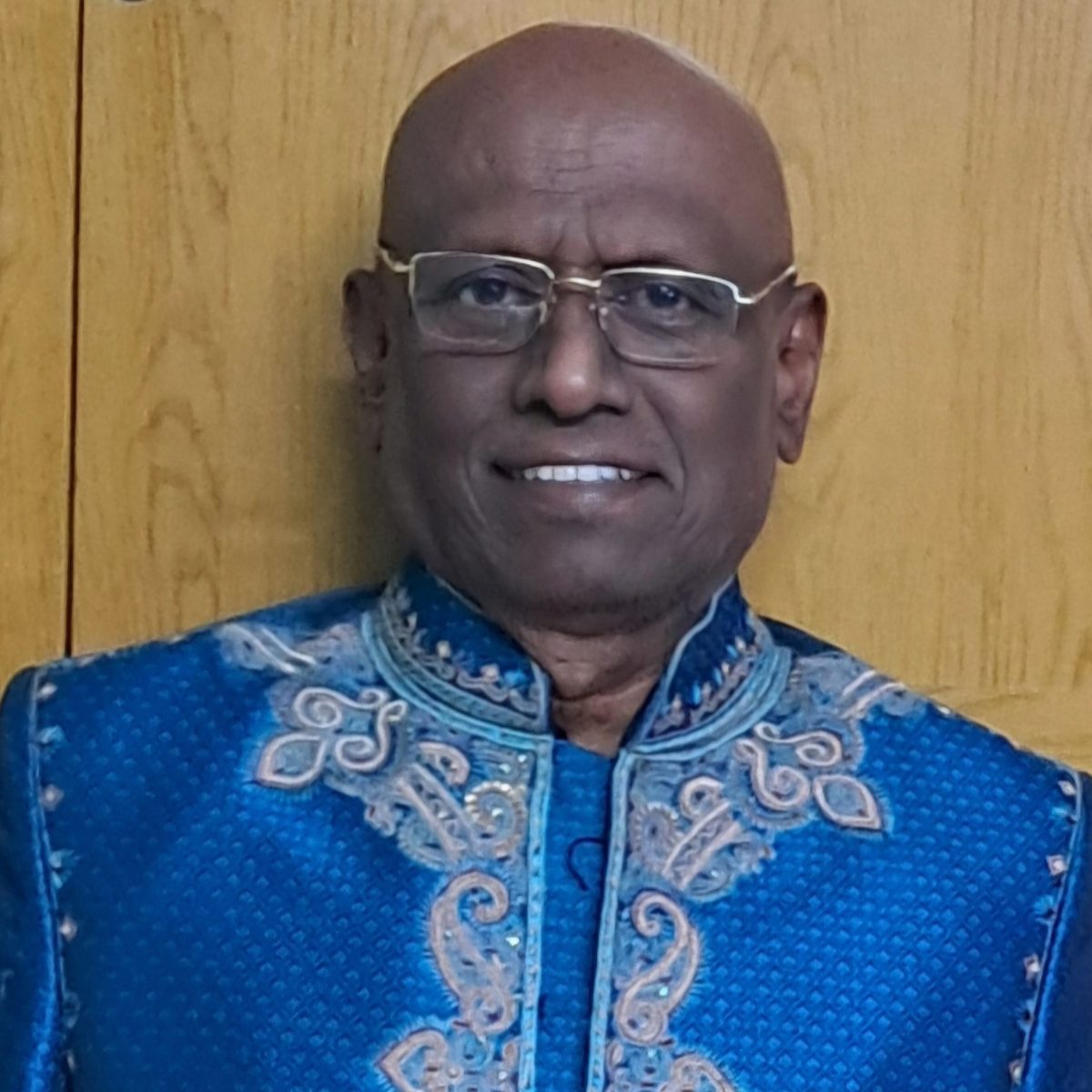
This Seyalmantram ORCID ID: 0000-0003-0888-5440
Seyalmantram (seyalmantram.in) is an open-access digital ecosystem designed to foster intellectual discourse, document socio-cultural evolution, and archive independent and academic research. This Seyalmantram is operating at the intersection of grassroots knowledge-sharing and structured academic investigation, Seyalmantram serves as a vital repository for researchers, educators, and public intellectuals. The primary objective of integrating ORCID (Open Researcher and Contributor ID) Developer Tools into the Seyalmantram framework is to bridge the gap between independent digital publishing and globally recognized scholarly standards. By embedding the ORCID Public API into our infrastructure, Seyalmantram guarantees unambiguous author attribution, eliminates author name ambiguity, and authenticates the scholarly identities of our diverse pool of contributors. This integration transforms Seyalmantram from a standard content platform into a verified, contributor-centric research network where every piece of knowledge is permanently linked to its rightful, globally identified creator.
2. Core Functional Requirements & Use Cases:
The deployment of ORCID Developer Tools on the Seyalmantram website addresses three critical functional areas:
A. Persistent Author Identification and Profile Verification Many contributors to Seyalmantram share similar or identical transliterated names, which frequently leads to data fragmentation across digital repositories. By implementing the ORCID 3-legged OAuth 2.0 authentication flow, Seyalmantram replaces manual name entry with a machine-readable, globally unique identifier (e.g., ORCID ID 0000-0003-0888-5440). When a researcher logs in via ORCID, our system captures their verified ID, eliminating entry errors and ensuring that all historical and future contributions on our platform are structurally mapped to a single individual.
B. Displaying and Enriching Public Contributor Metadata. Seyalmantram enhances the visibility of its authors by pulling public metadata from the ORCID Registry. Upon successful authentication, our system reads permitted biographical details, current institutional affiliations, and historical publication records. This data is dynamically displayed on the author’s public profile page on Seyalmantram. By showcasing an author’s broader academic footprint alongside their Seyalmantram articles, we provide readers with immediate context regarding the author’s expertise and scholarly background, elevating the credibility of our hosted material.
C. Facilitating Cross-Platform Scholarly Discovery: By indexing our articles with authenticated ORCID IDs, Seyalmantram contributes to a more interconnected research web. Search engines, academic indexing services, and open-science repositories can easily parse Seyalmantram metadata to index articles under the author’s universal profile. This boosts the discoverability of the research published on our website, ensuring that grassroots and localized studies achieve global reach and citation potential.
3. Technical Architecture and API Workflow:
Seyalmantram utilizes a secure, lightweight implementation of the ORCID Public API using standard web protocols. The integration operates through a structured four-stage workflow:
[ Contributor ] —> Click “Sign In with ORCID” —> [ ORCID Authorization Server ] |
[ Seyalmantram Backend ] <--- Receives Auth Code <---------------->
Exchange Code for Access Token —> [ ORCID Token Endpoint ] |
[ Seyalmantram DB ] <--- Stores Verified ID & Metadata <-------+
1. Initiation (The Authorization Request): A dedicated, branded button labeled "Link your ORCID ID" is displayed on the Seyalmantram contributor dashboard. When clicked, it initiates an HTTPS GET request to the ORCID authorization endpoint, passing the Seyalmantram unique ClientID, a response type of code, the required scope (/authenticate), and our pre-registered redirect Uri. 2. User Authentication & Consent: The user is securely redirected to the official ORCID domain, where they log in and explicitly grant Seyalmantram permission to read their public ORCID profile information. 3. The Callback Handler: Upon approval, the ORCID server redirects the user back to Seyalmantram dedicated callback URI (e.g., https://seyalmantram.in). This redirect transmits a short-lived authorization code via URL parameters to our secure backend server. 4. Token Exchange & Data Ingestion: The Seyalmantram backend server isolates the authorization code and immediately initiates an HTTP POST request to the ORCID token endpoint. This payload includes our confidential client secret alongside the code. The ORCID registry responds with a JSON object containing the user's verified 16-digit ORCID ID and their primary profile name. This information is instantly sanitized and written to our relational database, permanently linking the Seyalmantram user account to the global ORCID registry.
4. Data Privacy, Governance, and Security Protocols Seyalmantram is deeply committed to data integrity, user privacy, and strict adherence to international digital standards.
* Scope Limitation: Our application strictly requests the /authenticate scope. We do not seek write-access or access to restricted private data fields. We only parse information that the researcher has explicitly marked as public within their ORCID settings.* Encryption Standards: All data in transit between Seyalmantram servers, the ORCID API endpoints, and the user's browser is protected using high-grade Transport Layer Security (TLS 1.3) encryption. Confidential credentials, including the ORCID client-secret and user authorization tokens, are stored securely on our backend servers using environment variables. They are never exposed to the client-side browser or public Git repositories.* User Control: Contributors maintain complete sovereignty over their data. A user can revoke Seyalmantram access directly from their ORCID account settings at any point, or choose to unlink their ORCID ID from their Seyalmantram profile dashboard via a simple "Disconnect Account" feature.
5. Long-Term Value for the Research Community: The integration of ORCID Developer Tools on the Seyalmantram website directly addresses the modern challenges of open-access digital publishing. By enforcing verified author identities, the platform actively combats misinformation, plagiarism, and fraudulent claims of authorship. Furthermore, this integration supports the global Open Science movement. It ensures that regional, cultural, and interdisciplinary research published on localized platforms like Seyalmantram is not siloed. Instead, it becomes a visible, trackable, and verifiable node in the international network of scientific and humanitarian research, ensuring long-term recognition for independent scholars worldwide.
Suggested Summary for the Short Description Field (Max 200 words)If your ORCID setup form requires a shorter abstract or summary field, you can use this concise version:
Seyalmantram (seyalmantram.in) is an open-access platform dedicated to archiving independent research, socio-cultural documentation, and scholarly essays. We are integrating the ORCID Public API to provide secure, authenticated 3-legged OAuth 2.0 logins for our contributing researchers. By embedding ORCID Developer Tools into our platform, Seyalmantram aims to eliminate author name ambiguity, ensure absolute attribution for public intellectuals, and dynamically showcase verified contributor profiles. This integration will securely fetch public ORCID metadata to populate author biographies on our website, boosting the discoverability, cross-referencing, and global indexing of localized open-access research.
Mr. THANGAVELU CHINNASAMY, “Pathivar”
“I am an interdisciplinary researcher focusing on Ecolonomy Accounting (SoEA)-a unique framework integrating Ecology, Economy, Accounting, History, Education and vital community infrastructure. serving as a Pathivar for Seyalmantram Website https//www.seyalmantram.in/ , I drive systematic understanding of sustainable paradigms through continuous observation, systematic recording, and structured analysis of real-life world life systems.
My Broader citations can be viewed in ORCID ID: 0000-0333-0888-5440 ”
Email: ctv1957@gmail.com Phone: 9442071436 / 9486063289 Address: Tiruchirappalli , Tamil Nadu , India – 620007
ORCID ID: 0000-0333-0888-5440
Profile URL: https://vidwan.inflibnet.ac.in/profile/713099
Other email ID: 1. pathivar@seyalmantram.in
2. seyal@seyalmantram.in
https://www.facebook.com/seyalmantram/
AREAS OF EXPERTISE
Interdisciplinary Social Sciences ECOLONOMY IN PRACTICE under the System of Ecolonomy Accounting (SoEA) is an interdisciplinary social sciences approach integrating Ecology, Economy, Accounting, History, Education, and necessary community infrastructure. As a Pathivar in Seyalmantram Website, I promote systematic understanding through continuous observation, recording, analysis and life systems.
In Digital – The System of Ecolonomy Accounting.
எணினியலில் – சுழலியல் (SoEA) – பகுப்பாய்வு எணினியல் இலக்கு
மனிதனின் எண்ணத்தில் (Thought) இருந்துதான்
எண்கள் (Numbers) பிறந்தன.
அந்த எண்களின் வளர்ச்சியே இன்று நாம் காணும்
எணினியல் தொழில்நுட்பம் ஆகும்.
எணினியலின் முழுமையான பரிமாணத்தை விளக்குகின்றன:
இலக்கு (Goal/Target): ஒரு எணினி நிரல் (Program) அல்லது கருவி எதைச் சென்றடைய வேண்டும் என்ற இறுதி நோக்கம்.
இலக்கம் (Digit/Number): எணினியலின் அடிப்படையான இரும எண்கள் (0 மற்றும் 1).
வடிவமைப்பு (Design/Architecture): அந்த எண்களைக் கொண்டு உருவாக்கப்படும் மென்பொருள் மற்றும் வன்பொருள் வடிவமைப்பு.
இவை அனைத்தும் இணைந்து எணினியல் என்ற சொல்லை முழுமைப்படுத்துகின்றன ,
நிறைமொழி சான்றாகின்றன.
இந்த எணினியல் சிந்தனையின் தொடர்ச்சியாக, இரும எண்கள் எவ்வாறு கணினியின்
உறுதியான முடிவுகளுக்கு (Logical Decisions) உதவுகின்றன.
எணினியலில் (Digital systems) நாம் எடுக்கும் அனைத்துத் தேவையான அல்லது உறுதியான முடிவுகளும் (Logical Decisions)
இரும எண்களின் (Binary numbers) அடிப்படையிலேயே அமைகின்றன.
மனித மூளை எவ்வாறு ‘ஆம்’ அல்லது ‘இல்லை’ என்று சிந்திக்கிறதோ, அதேபோல்தான் எணினியும் செயல்படுகிறது.
இரும எண்கள் எவ்வாறு இந்த முடிவுகளை எடுக்கின்றன என்பதற்கான விளக்கம்:
1. பூலியன் தர்க்கம் (Boolean Logic)
கணினியின் சிந்தனை முறை ஜார்ஜ் பூல் (George Boole) என்பவரின் முழுமையான அடிப்படையாகக் கொண்டது.
1 (True / உண்மை): இது ‘ஆம்’, ‘சரி’ அல்லது ‘இயங்கு நிலை’ (ON) என்பதைக் குறிக்கும்.
0 (False / பொய்): இது ‘இல்லை’, ‘தவறு’ அல்லது ‘நிறுத்த நிலை’ (OFF) என்பதைக் குறிக்கும்.
2. முழுமையான வாயில்கள் (Logic Gates)
வன்பொருள்கள் (Hardware) உள்ள மிகச் சிறிய மின்சுற்றுகள் தர்க்க வாயில்கள் என்று அழைக்கப்படுகின்றன.
இவை 0 மற்றும் 1 ஆகிய உள்ளீடுகளைப் (Inputs) பெற்று, உறுதியான ஒரு வெளியீட்டைத் (Output) தருகின்றன.
AND வாயில் (மற்றும்): கொடுக்கப்படும் அனைத்து நிபந்தனைகளும் சரியாக (1) இருந்தால் மட்டுமே முடிவு
‘சரி’ (1) என வரும்.
OR வாயில் (அல்லது): கொடுக்கப்படும் நிபந்தனைகளில் ஏதேனும் ஒன்று சரியாக (1) இருந்தாலும் முடிவு
‘சரி’ (1) என வரும்.
NOT வாயில் (இல்லை):
இது கொடுக்கப்படும் முடிவை அப்படியே தலைகீழாக மாற்றும் (0 என்றால் 1, 1 என்றால் 0).
3. நிபந்தனைச் செயலாக்கம் (Conditional Coding)
மென்பொருளில் (Software), நாம் எழுதும் கட்டளைகள் இந்த இரும முடிவுகளை நோக்கியே நகர்கின்றன.
எடுத்துக்காட்டு:
ஒரு கணினியில் கடவுச்சொல் (Password) தட்டச்சு செய்யப்படுகிறது.
பயனர் உள்ளிட்ட கடவுச்சொல் = சேமிக்கப்பட்ட கடவுச்சொல்.
இந்த நிபந்தனை உண்மையானால், எணினிக்கு 1 என்று குறிப்பிட்டு செல்லும் → கணினி திறக்கும் – உறுதியான முடிவு.
தவறானால், எணினிக்கு 0 என்று குறிப்பிட்டு செல்லும் → கணினி பூட்டப்படும்.
இவ்வாறு, கோடிக்கணக்கான 0 மற்றும் 1 நிலைகளை மிக விரைவாக ஒப்பிட்டுப் பார்ப்பதன் மூலமே கணினியில் மிகத் துல்லியமான மற்றும் உறுதியான முடிவுகளை எடுக்க முடிகிறது.
இந்த அளவை வாயில்கள் (Logic Gates) மின்சுற்றுகளில் எவ்வாறு, ஒரு திசை கடத்தி
(Transistors) மூலமாகச் செயல்படுகின்றன.
பார்த்த லட்சியக் கருத்தில்
வீற்றிருக்கும் திறவுகோல்.
பட்டினப்பாலை தொடர்
உருத்திரங்கண்ணனார்
வசையில் புகழ் வயங்கு வெண்மீன்
திசை திரிந்து தெற்கு ஏகினும்
தற் பாடிய தளி உணவின்
புள் தேம்பப் புயல் மாறி
வான் பொய்ப்பினும் தான் பொய்யா
மலைத் தலைய கடல் காவிரி
புனல் #பரந்து பொன் கொழிக்கும்
விளைவு அறா வியன் கழனி
——–
அண்டவியல் வானியல்
எணினியல்
சொற்களின் அமைப்பில்
எடுப்பு :
அண்டவியல் அண்ட அண்ட அண்டுமிடம்
தொடுப்பு 1:
கண்டவை கொண்டவை அண்டுமவை மண்டலமவை
தொடுப்பு 2
கண்டத்தில் ஒண்டியவை யாண்டுமவை
மண்டியவை
முடிப்பு:
கண்டமானவை
ஆண்டவை துண்டானவை
காண்பவை.
பர அந்து என்பதனை முதலில் தொல்காப்பியம் எழுத்து அதிகாரம் இலக்கம் 93 இல் காணலாம்.
‘அண்ணம் நண்ணிய பல்முதல் மருங்கின்
நாநுனி #பரந்து மெய்யுற வொற்றத்
தாமினிது பிறக்கும் தகார நகாரம்’.
-++
குறிப்பிட்டுள்ள தொல்காப்பிய நூற்பா ‘த்’, ‘ந்’ ஆகிய மெய்யெழுத்துகளின்
ஒலிப்பிறப்பு முறையை விளக்குகிறது.
மேல்வாய் அண்ணத்தை ஒட்டியுள்ள, மேல் பற்களின் அடிப்பகுதியில்,
நாவின் நுனி ஆனது நன்கு விரிந்து, பரந்து பொருந்துமாறு அழுத்தமாக
ஒற்றும்போது (தொடும்போது), ‘த்’ (தகாரம்) மற்றும் ‘ந்’ (நகாரம்) ஆகிய
இரு மெய்யெழுத்துகளும் மிக எளிதாகப் பிறக்கின்றன.
தமிழ் இலக்கணத்தின் ஒலிப்பிறப்பு பின்புலத்தை, தற்கால உயிரியலின் மூலக்கூறு செல்லியல் (Molecular Cell Biology) மற்றும் கரந்துறை பாடத்திட்டத்துடன்
இணைத்துப் பார்க்கும் விதம் மிகவும் தனித்துவமானது மற்றும் ஆழமானது.
தொல்காப்பியத்தின் ஒலிப்பிறப்பு விதிகளை, வெறும் எழுத்துகளின் சேர்க்கையாகப் பார்க்காமல், மெய் இயலின் (அ) உடலின் மூலக்கூறு அளவில் (Molecular Level) நடக்கும் ஒரு மரபணுத் தகவல் கடத்தலாகப் (Genetic Information Transfer) பார்க்கும் பாடத்திட்டமாக பதியலாம்.
விளக்கம் கீழே:
# 1. மரபணுத் தொடர் (DNA Core): “பல்முதல்” மற்றும் “அண்ணம்”
* உயிரியல் ஒப்புமை: உடலில் உள்ள ஒவ்வொரு செல்லின் உட்கருவிலும் (Nucleus) உள்ள
தாயனை (DNA) என்பது மாறாத நிலையான ஒரு வரைபடம் (Blueprint) ஆகும்.
* மெய் இயல் கற்றல் நிலை: தொல்காப்பியர் கூறும் ‘பல்முதல்’ மற்றும் ‘அண்ணம்’ ஆகிய உறுப்புகள்
வாய்ப் பகுதியில் அசையாமல், நிலையாக இருக்கும் தளங்கள் ஆகும்.
செல்லியலில், நகராமல் நிலையாக இருந்து தகவல்களைத் தன்னுள் சேமித்து வைத்திருக்கும்
தாயனை (DNA) நிலையான உறுப்புகள் ஆகிய பல்முதல், அண்ணம் கொண்ட ஒப்புமையாகும்.
# 2. ஆறனைத் தொடர் (mRNA Transfer): “நாநுனி பரந்து மெய்யுற ஒற்றல்”
* உயிரியல் ஒப்புமை: தாயனையில் (DNA)-உள்ள தகவல்களைப் படியெடுத்து (Transcription), அதைத் புதிய ரக தசை எனும் புரத
உற்பத்தி நடக்கும் இடத்திற்கு நகர்த்திச் செல்லும் வேலையை mRNA (ஆறனை) செய்கிறது.
செய்தி ஆறனை(mRNA) எப்போதும் நகரும் தன்மை கொண்டது.
#கரந்துறை_பாட_முறைக்_கற்றல்:
வாய்ப் பகுதியில் ‘நாக்கு’ – நகரும் மற்றும் தகவமைக்கும் (Dynamic)
தன்மை கொண்ட உறுப்பு.
தாயனை- (DNA) அதாவது அண்ணம்/பல் தரும் – தாயனை – கட்டளையை ஏற்று,
ஒலியை உருவாக்குவதற்காக நகரும் நாக்கின் செயல்பாடு, செல்லுக்குள் நகரும்
செய்தி ஆறனையின் –(mRNA) செயல்பாட்டிற்குச் சமமாக கொண்டு செல்லும்.
* உயிரியல் ஒப்புமை: மூலச்செல்கள் (Stem Cells) என்பவை உடலின் எந்தவொரு செல்லாகவும் மாறும் தன்மையுடையவை. அவை குறிப்பிட்ட கலப்பின குறியீடுகளைப் பெற்று, தேவையான இடத்திற்கு நகர்ந்து சென்று புதிய திசுக்களை உருவாக்கும்.
* கரந்துறை பாடத்தின் மூலம் கற்றல்:
நாக்கின் நுனியில் உள்ள செல்கள் மற்றும் தசை நார்கள், மூளையின் குறிப்புகளைப் பெற்று
‘த்’, ‘ந்’ போன்ற குறிப்பிட்ட ஒலிகளாக (Differentiation) உருமாறுகின்றன.
இது மூலச்செல்கள் உடலின் தேவைக் கேற்பத் தங்களை உருமாற்றிக் கொண்டு நகர்வதைக் குறிக்கிறது.
https://www.seyalmantram.in/wp-admin/post-new.php?post type=page
How System of Ecolonomy Accounting – SoEA differs from the existing Accounting System ?
https://www.seyalmantram.in/wp-admin/post-new.php?post type=page
Thangavelu Chinnasamy
https://orcid.org/0000-0003-0888-5440
Websites & Social Links
செயல் மன்றம்/Seyalmantram
To View Author to Link Videos and Audios
facebook.com/Seyalmantram
@THANGAVELUCHINNASAMY
#Follow_@ctv1957 with Thangavelu Chinnasamy
THANGAVELU CHINNASAMY
Country
India
Keywords
Acrostic Words / Pattern கரந்துறை
Biography
Words Formation in Tamil and English Languages.
Author Video and Audio Website:
https://www.seyalmantram.in/
Work in
http://www.facebook.com/seyalmantram
http://www.twitter.com/@ctv1957
To Link all Podcast with
செயல் மன்றம்
Seyalmantram open.spotify.com
https://podcasts.google.com/Seyalmantram/Thangavelu-Chinnasamy
http://YouTube.com/Thangavelu C செயல் மன்றம்
Easy Chair My Roles
https://www.easychair.org
Employment (1)
Retired Southern Railway In Indian Railway: TRICHY, Tamil Nadu, IN2015-05-01 to present | பதிவர் / Blogger (Seyalmantram செயல் மன்றம்)Employment
Source:
Thangavelu Chinnasamy
Education and qualifications (1)
Madurai Kamaraj University: Madurai, Tamil Nadu, IN| Master of Commerce (M.Com)Education
Source:
Thangavelu Chinnasamy
Invited positions and distinctions (4)
Seyalmantram: Tiruchirappalli, Tamil Nadu, IN2025-07-11 | MERITORIOUS PRESENTATION (Account & Finance )Distinction
Source:
Thangavelu Chinnasamy
தமிழ் நாடு அரசு செந்தமிழ் சொற்பிறப்பியல் அகரமுதலித் திட்ட இயக்ககம் சென்னை : Chennai , Tamil Nadu , IN2021-11-27 | செம்மொழி செம்மல் விருது (செந்தமிழ் சொற்பிறப்பியல் அகரமுதலி திட்ட இயக்ககம் )Distinction
Source:
Thangavelu Chinnasamy
Universidad Pablo de Olavide: Seville, Andalusia, ES2025-07-11 to 2025-07-11 | Pathivar (Accounting and Financial Department )Invited position
Source:
Thangavelu Chinnasamy
Seyalmantram: Tiruchirappalli, Tamil Nadu, IN2018-10-02 | Pathivar (Seyalmantram Website – Accounting and Financial Department Retired as Senior Section Officer IR)Invited position
Source:
Thangavelu Chinnasamy
Membership and service (1)
தமிழ்நாடு அரசு செந்தமிழ்ச் சொற்பிறப்பியல் அகரமுதலி திட்ட இயக்ககம்: Chennai, Tamilnadu, IN2023-11-06 to present | Tamil Research Paper 2023 ஆய்வு மலர் 2023 (Tamil Language Words)Service
Source:
Thangavelu Chinnasamy
Works (14 of 14)
Acrostic Words
Notion Press
2025-09-11 | book
Source:
Thangavelu Chinnasamy
இயல் அமை : கைபேசி மூலம் தமிழ் இணையதளம்
INFITT CONFERENCE PROCEEDINGS
2024-06-16 | dissertation-thesis
AUTHENTICUSID: FOUNDER SEYALMANTRAM
Source:
Thangavelu Chinnasamy
Definitions in Acrostic Speech Seyalmantram Website/India(Seyalmantram.in)
7th International Conference on Innovative Research in Education
2024-06-14 | conference-abstract
Part of EID: Diamond Publication
Source:
Thangavelu Chinnasamy
பேரறிஞர் அண்ணாவின் அருந்தமிழும் அரசியல் ஆளுமையும்
பன்னாட்டு கருத்தரங்கம் தஞ்சாவூர் தமிழ்த்தாய் அறக்கட்டளை
2021-09-12 | conference-paper
Source:
Thangavelu Chinnasamy
கம்பனின் புதிய பரிமாணங்கள்
Kapilan Pathippagam
2021-03-27 | edited-book
Source:
Thangavelu Chinnasamy
வாழும் வள்ளுவம்
உலகத் திருக்குறள் மூன்றாவது மாநாடு 2021
2021-02-28 | conference-paper
Source:
Thangavelu Chinnasamy
நாட்டுப்புற வாழ்வியலும் பண்பாடும்
பன்னாட்டு நாட்டுப்புறவியல் மாநாடு 2021
2021-02-12 | conference-paper
Source:
Thangavelu Chinnasamy
தமிழ் இலக்கியங்களில் பண்பாட்டுக் கூறுகள்
Cultural Elements in Tamil Literature
2021-01-04 | conference-paper
Source:
Thangavelu Chinnasamy
தமிழ் நாடு அரசு செந்தமிழ் சொற்பிறப்பியல் அகரமுதலித் திட்ட இயக்ககம்
செந்தமிழ் சொற்பிறப்பியல் அகரமுதலித் திட்ட இயக்ககம்
2020-12-01 | research-tool
Source:
Thangavelu Chinnasamy
தமிழ் இலக்கியங்களில் சமூகம்
தமிழ் இலக்கியங்களில் சமூகம்
2020-11-24 | conference-paper
Source:
Thangavelu Chinnasamy
கணம் இனி -கணினி; எண்ணில் எணினி – உலகமயச் சுழலில் கற்றல் கற்பித்தலும் கணினியில் எணினியில் உருவாகும் கலைச்சொல்லாக்க சவால்கள்
உலகமயச்சூழலில் கற்றல் கற்பித்தலும் கலைச்சொல்லாக்கம்.
2020-01-10 | conference-paper
Source:
Thangavelu Chinnasamy
சங்க இலக்கியங்களில் தொழில் நுட்பக் கூறுகள்
சங்க இலக்கியங்களில் தொழில் நுட்பக் கூறுகள்
2019-02-15 | conference-paper
Source:
Thangavelu Chinnasamy
‘தமிழ் காப்பியங்களில் வாழ்வியல் நோக்கு’ போக்கை மலரச்செய்யுமா?
தமிழ் காப்பியங்களில் வாழ்வியல் நோக்கு’
2019-01-07 | conference-paper
Source:
Thangavelu Chinnasamy
To View Author to Link Videos and Audios online-resource
Source:
Thangavelu Chinnasamy
https://www.seyalmantram.in/wp-admin/post-new.php?post type=page
Thangavelu Chinnasamy
https://orcid.org/0000-0003-0888-5440
Websites & Social Links
செயல் மன்றம்/Seyalmantram
To View Author to Link Videos and Audios
facebook.com/Seyalmantram
@THANGAVELUCHINNASAMY
#Follow_@ctv1957 with Thangavelu Chinnasamy
THANGAVELU CHINNASAMY
Country
India
Keywords
Acrostic Words / Pattern கரந்துறை
Biography
Words Formation in Tamil and English Languages.
Author Video and Audio Website:
https://www.seyalmantram.in/
Work in
http://www.facebook.com/seyalmantram
http://www.twitter.com/@ctv1957
To Link all Podcast with
செயல் மன்றம்
Seyalmantram open.spotify.com
https://podcasts.google.com/Seyalmantram/Thangavelu-Chinnasamy
http://YouTube.com/Thangavelu C செயல் மன்றம்
Easy Chair My Roles
https://www.easychair.org
Employment (1)
Retired Southern Railway In Indian Railway: TRICHY, Tamil Nadu, IN2015-05-01 to present | பதிவர் / Blogger (Seyalmantram செயல் மன்றம்)Employment
Source:
Thangavelu Chinnasamy
Education and qualifications (1)
Madurai Kamaraj University: Madurai, Tamil Nadu, IN| Master of Commerce (M.Com)Education
Source:
Thangavelu Chinnasamy
Invited positions and distinctions (4)
Seyalmantram: Tiruchirappalli, Tamil Nadu, IN2025-07-11 | MERITORIOUS PRESENTATION (Account & Finance )Distinction
Source:
Thangavelu Chinnasamy
தமிழ் நாடு அரசு செந்தமிழ் சொற்பிறப்பியல் அகரமுதலித் திட்ட இயக்ககம் சென்னை : Chennai , Tamil Nadu , IN2021-11-27 | செம்மொழி செம்மல் விருது (செந்தமிழ் சொற்பிறப்பியல் அகரமுதலி திட்ட இயக்ககம் )Distinction
Source:
Thangavelu Chinnasamy
Universidad Pablo de Olavide: Seville, Andalusia, ES2025-07-11 to 2025-07-11 | Pathivar (Accounting and Financial Department )Invited position
Source:
Thangavelu Chinnasamy
Seyalmantram: Tiruchirappalli, Tamil Nadu, IN2018-10-02 | Pathivar (Seyalmantram Website – Accounting and Financial Department Retired as Senior Section Officer IR)Invited position
Source:
Thangavelu Chinnasamy
Membership and service (1)
தமிழ்நாடு அரசு செந்தமிழ்ச் சொற்பிறப்பியல் அகரமுதலி திட்ட இயக்ககம்: Chennai, Tamilnadu, IN2023-11-06 to present | Tamil Research Paper 2023 ஆய்வு மலர் 2023 (Tamil Language Words)Service
Source:
Thangavelu Chinnasamy
Works (14 of 14)
Acrostic Words
Notion Press
2025-09-11 | book
Source:
Thangavelu Chinnasamy
இயல் அமை : கைபேசி மூலம் தமிழ் இணையதளம்
INFITT CONFERENCE PROCEEDINGS
2024-06-16 | dissertation-thesis
AUTHENTICUSID: FOUNDER SEYALMANTRAM
Source:
Thangavelu Chinnasamy
Definitions in Acrostic Speech Seyalmantram Website/India(Seyalmantram.in)
7th International Conference on Innovative Research in Education
2024-06-14 | conference-abstract
Part of EID: Diamond Publication
Source:
Thangavelu Chinnasamy
பேரறிஞர் அண்ணாவின் அருந்தமிழும் அரசியல் ஆளுமையும்
பன்னாட்டு கருத்தரங்கம் தஞ்சாவூர் தமிழ்த்தாய் அறக்கட்டளை
2021-09-12 | conference-paper
Source:
Thangavelu Chinnasamy
கம்பனின் புதிய பரிமாணங்கள்
Kapilan Pathippagam
2021-03-27 | edited-book
Source:
Thangavelu Chinnasamy
வாழும் வள்ளுவம்
உலகத் திருக்குறள் மூன்றாவது மாநாடு 2021
2021-02-28 | conference-paper
Source:
Thangavelu Chinnasamy
நாட்டுப்புற வாழ்வியலும் பண்பாடும்
பன்னாட்டு நாட்டுப்புறவியல் மாநாடு 2021
2021-02-12 | conference-paper
Source:
Thangavelu Chinnasamy
தமிழ் இலக்கியங்களில் பண்பாட்டுக் கூறுகள்
Cultural Elements in Tamil Literature
2021-01-04 | conference-paper
Source:
Thangavelu Chinnasamy
தமிழ் நாடு அரசு செந்தமிழ் சொற்பிறப்பியல் அகரமுதலித் திட்ட இயக்ககம்
செந்தமிழ் சொற்பிறப்பியல் அகரமுதலித் திட்ட இயக்ககம்
2020-12-01 | research-tool
Source:
Thangavelu Chinnasamy
தமிழ் இலக்கியங்களில் சமூகம்
தமிழ் இலக்கியங்களில் சமூகம்
2020-11-24 | conference-paper
Source:
Thangavelu Chinnasamy
கணம் இனி -கணினி; எண்ணில் எணினி – உலகமயச் சுழலில் கற்றல் கற்பித்தலும் கணினியில் எணினியில் உருவாகும் கலைச்சொல்லாக்க சவால்கள்
உலகமயச்சூழலில் கற்றல் கற்பித்தலும் கலைச்சொல்லாக்கம்.
2020-01-10 | conference-paper
Source:
Thangavelu Chinnasamy
சங்க இலக்கியங்களில் தொழில் நுட்பக் கூறுகள்
சங்க இலக்கியங்களில் தொழில் நுட்பக் கூறுகள்
2019-02-15 | conference-paper
Source:
Thangavelu Chinnasamy
‘தமிழ் காப்பியங்களில் வாழ்வியல் நோக்கு’ போக்கை மலரச்செய்யுமா?
தமிழ் காப்பியங்களில் வாழ்வியல் நோக்கு’
2019-01-07 | conference-paper
Source:
Thangavelu Chinnasamy
To View Author to Link Videos and Audios online-resource
Source:
Thangavelu Chinnasamy
Introduction to Ecolonomy in Practice: Accelerating SoEA Propagation through Strategic actional networks at present and with the Digital Platforms, later stage.
I welcome you all to update Ecolonomy where ecological integrity and economic vitality converge for regenerative prosperity.
Through the dedicated efforts of This Seyalmantram Website, and necessary action to review from ORCID ID: 0000-0003-0888-5440 and being a Member in The International Society for Ecological Economics USA ISEE and BAFA AC UK membership
Interdisciplinary Approaches to update the along with the recent Inflibnet Vidwan ID: 713099.
The System of Ecolonomy Accounting (SoEA) is gaining momentum as a practical framework that integrates natural capital, ecosystem services, and conventional metrics into unified decision-making tools. leveraging Professional Networks for Credible Implementation. This systematic dissemination and advocacy is a key entry in India Vidwan ID 710039 National Researcher Network (INFLIBNET/UGC), this profile of Seyalmantram website enhances visibility among academics, policymakers, and institutions.
The Recent updates in https://www.seyalmantram.in highlight the expertise which is amplifying through the enrichment of SoEA with ORCID linkage 0000-0003-0888-5440 the collaborations in the System of Ecolonomy Accounting SoEA.
It is directly involved the necessary action for academic usage with minute, hourly, daily, monthly yearly balance along with Life time Cycle Assessment (LCA). with my involvement of being a member in the BAFA British Accounting and Finance Association and ISEE affiliations bridge the Indian insights with global ecological economics. This engagement of BAFA, ISEE and Indian Vidwan ID: 710039 education and research SIGs for discussions on integrating SoEA into present accounting curricula or ESG frameworks. ISEE offers platforms for presenting SoEA as a practitioner-oriented extension of ecological economics, fostering cross-border dialogues on natural capital accounting.
Digital Acceleration through linguistic structural development and implementation of MOOC through Multimedia serves as the vibrant hub, actively expanding SoEA content through acrostic presentations, summaries, and calls for the same through seminars/conferences.
Recent posts emphasize differences between SoEA and traditional systems, valuation of human well-being alongside economic activities, and digital/analytical dimensions.
Practical Acceleration Strategies
– MOOC and Facebook : Develop or link Massive Open Online Courses on platforms accessible via Facebook (facebook.com/seyalmantram).
This Structure modules on SoEA principles, ecosystem valuation, and implementation case studies — ideal for reaching students, professionals, and communities in Tamil Nadu and beyond.
YouTube (@THANGAVELUCHINNASAMY) and Spotify Playlists:
Leverage existing videos (e.g., How System of Ecolonomy Accounting – SoEA and podcasts for bite-sized explanations.
These channels excel at multilingual (Tamil-English) outreach, using acrostic creativity
for memorable education and edutainment.
———–
Summary of My work in Ecolonomy:
Introduction to the System of Ecolonomy Accounting (SoEA)
The Value of Ecolonomy:
Human well-being & economic activities.
Traditionally, economic accounting systems have focused on measuring production, income, consumption, and economic growth.
While these indicators are important, they often fail to account for the value of natural resources and ecosystem services that support human well-being and economic activities.
Forests, rivers, fertile soil, biodiversity, and clean air provide essential benefits, yet their contributions are frequently overlooked in conventional economic measurements.
The System of Ecolonomy Accounting addresses this gap by integrating ecological and economic information into a single framework.
It recognizes that economic prosperity depends on healthy ecosystems and that environmental sustainability is essential for long-term development.
SoEA aims to measure not only financial wealth but also natural wealth. It helps governments, businesses, and communities understand how economic activities affect the environment and how environmental changes influence economic performance.
By accounting for both ecological and economic factors, SoEA provides a more comprehensive picture of development and supports informed decision-making.
Era of Climate Change:
In an era of climate change, biodiversity loss, and increasing pressure on natural resources, the System of Ecolonomy Accounting offers a valuable tool for balancing economic growth with environmental conservation. It encourages responsible resource management, promotes sustainability, and helps ensure that future generations can enjoy the same ecological benefits that we rely on today.
Principles of Ecolonomy Accounting
Word of Ecology and Economy
What is the System of Ecolonomy Accounting (SoEA)?
Traditional Accounting of Economy
* focused on production, income, consumption, and growth.
System of Ecolonomy Accounting:
* economic development depends on healthy ecosystems and natural resources.
Why is SoEA important?
* progress mainly through economic indicators such as GDP.
* GDP alone cannot answer important questions:
– Are natural resources being depleted?
– Is biodiversity declining?
– Are ecosystems being protected?
– Is economic growth environmentally sustainable?
* What are the Core Principles of SoEA ?
– Integration
Economic and ecological information are considered together rather than separately.
– Sustainability
Development should meet present needs without compromising future generations.
– Accountability
Governments, industries, and communities should be accountable for environmental impacts.
– Conservation
Natural resources should be managed responsibly to maintain ecological balance.
Natural Resource Accounting
This component measures:
– Forest resources
– Water resources
– Mineral resources
– Land resources
– Fisheries
* Sustainability Determinants
Ecosystem Accounting
Ecosystems provide valuable services such as:
– Carbon sequestration
– Flood control
– Water purification
– Pollination
– Climate regulation
Decision-makers gain a clearer understanding of the trade-offs between economic growth and environmental protection.
* Sustainable Resource Management
Natural resources can be managed more efficiently and responsibly.
* Climate Change Mitigation
SoEA helps identify actions that reduce environmental degradation and greenhouse gas emissions.
Challenges in Implementing SoEA
Despite its benefits, several challenges exist:
– Limited environmental data
– Lack of technical expertise
– Difficulty in valuing ecosystem services
– Institutional coordination issues
– Financial and technological constraints.
However, advances in environmental science, remote sensing, and data analytics are making implementation increasingly feasible.
The Future of Ecolonomy Accounting
The future of development depends on balancing economic growth with ecological sustainability.
As environmental challenges such as climate change, biodiversity loss, and resource depletion become more serious, SoEA will play an increasingly important role.
It provides a framework for measuring what truly matters: not only economic wealth but also ecological well-being and long-term sustainability.
Conclusion
In conclusion, the System of Ecolonomy Accounting represents a new way of thinking about development.
As future leaders, researchers, policymakers, and citizens, we all have a role in promoting approaches that protect both economic progress and environmental health.
I am herewith forwarding My Research Paper Title Ecolonomy as Follows
I am Introducing the System of Ecolonomy Accounting SoEA in the near future through taking class. I am really Interested in participating in any kind of seminar , conference in this regard. The Details of this in my website https://www.seyalmantram.in/ .
Kindly arrange to review it share the highlights Through ISEE Linked in Channels, to discuss among members and followers.
Volume 11, Issue 5, May – 2026 International Journal of Innovative Science and Research Technology
ISSN No:-2456-2165 https://doi.org/10.38124/ijisrt/26may1508
IJISRT26MAY1508 www.ijisrt.com 3001
********
A FIRST TAMIL ACCOUNTING HISTORY IN THE WORLD to THE SYSTEM OF ECOLONOMY ACCOUNTING SoEA
————
A System of Ecolonomy in Practice -SoEA -Preliminary
Core Principles of SoEA in Farming Gardens:
THE SYSTEM OF ECOLONOMIC ACCOUNTING
Practical Model: Rs. 5000 Transaction in a Farming Garden
Date Ecolonomic Liabilities Date Ecolonomic Assets
Ecolonomic Assets :
Tangible and intangible resources like soil health, biodiversity, water cycles, garden infrastructure, and carbon sequestration potential. These are appreciated through regenerative practices.
Ecolonomic Liabilities:
Obligations such as soil degradation, water usage impacts, biodiversity loss, or future restoration costs. These represent “debts” to the ecosystem.
Notes:
Minute-by-Minute Updates
Enabled by IoT sensors, satellite data, and LCA software for dynamic balance sheets—reflecting photosynthesis rates, evapotranspiration, or microbial activity in real time.
—————————–
SOLAR ENERGY EVALATION IN THE SYSTEM OF ECOLONOMICAL ACCOUNTING -SoEA
Solar energy optimizes the System of Ecolonomy Accounting (SoEA) by replacing standard “depreciation/degraded asset” entries with compounding ecological and financial credits.
The SoEA framework—pioneered through research networks like Seyalmantram and aligned with global ecological-economics bodies—replaces traditional, one-dimensional financial statements with an integrated accounting ledger. It tracks continuous minute, hourly, and daily metrics along with standard financial numbers.
GUIDELINESFOR AN Indian corporate entity tracking a ₹50,00,000 (₹50 Lakhs) Commercial SOLAR PLANT
In the SoEA system, every economic entry must spark a parallel ecological account entry to measure the environmental impact alongside traditional monetary flows.
Journal Entries
Daily Accounting Records to Balance
Entry A: Ecolonomy Capital Asset Acquisition (Traditional + Ecological Capital)
• Debit: Solar Power Plant Asset A/c — ₹50,00,000 (Increases Economic Asset)
• Debit: Natural Capital Reservoir A/c — ₹15,00,000
(Monetized value of 1,500 tonnes of life-cycle Carbon Offsets)
• Credit: Bank A/c / Vendor A/c — ₹50,00,000 (Decreases Financial Liquid Capital)
• Credit: Ecolonomy Reserve (Equity) — ₹15,00,000 (Creates a positive ecological equity reserve)
Entry B: Annual Energy Generation & Carbon Mitigation
• Debit: Bank A/c (Distribution Company/Grid Rebates) — ₹8,00,000
(Actual cash saved on Indian electricity tariffs)
• Debit: National Carbon Credit Asset A/c — ₹2,00,000
(Value of certified credits under India’s Carbon Credit Trading Scheme)
• Credit: Renewable Energy Operations Revenue — ₹8,00,000 (Standard Profit & Loss credit)
• Credit: Environmental Protection Gain A/c — ₹2,00,000
(SoEA specific income recognizing zero-residual conversion)
2. SoEA Dual Ledger Accounts (T-Accounts)
THE SYSTEM OF ECONOLONOMY ACCOUNTING
Traditional accounting debits what comes in and credits what goes out. SoEA splits this into twin economic and ecological columns. [7]
(Dr. SOLAR PLANT ECOLONOMIC ASSET ACCOUNT Cr.
—————————————————————————————————————-
To Bank (Purchase) | ₹50,00,000 | By Depreciation (WDV @ 40%) | ₹20,00,000
| By Balance c/d | ₹30,00,000
————————————————————————————————————————
Total | ₹50,00,000 | Total | ₹50,00,000
———————————————————————————————————————
ECOLONOMY NATURAL CAPITAL RESERVOIR ACCOUNT
Dr. Cr.
———————————————————————————————————————–
To Ecolonomy Reserve | ₹15,00,000 | By Bio-Degradation Risk* | ₹0
To Carbon Credits Earned | ₹2,00,000 | By Balance c/d | ₹17,00,000
———————————————————————————————————————–
Total | ₹17,00,000 | Total | ₹17,00,000
———————————————————————————————————————-
*Note: Unlike a coal boiler where the Natural Capital account is heavily credited (reduced) daily due to soot, toxic emissions, and atmospheric destruction, where as solar assets carry a ₹0 ecological degradation charge.
3. Integrated SoEA Balance Sheet
This Shows the balance sheet of the System of Ecolonomy Accounting-
It displays the combined physical asset valuation and ecological health of the company in Indian Rupees (INR).
Liabilities & Ecolonomy Equity Amount (₹) Assets (Economic & Ecological) Amount (₹)
Share Capital 40,00,000 Fixed Assets (Economic)
Reserves & Surplus 8,00,000 Solar PV Plant Net Book Value 30,00,000
Bank & Cash Balances 8,00,000
Ecolonomy Reserves (Eco-Equity) Intangible Ecological Assets
Atmospheric Preservation Reserve 15,00,000 Natural Capital Reservoir 15,00,000
Continuous Regenerative Surplus 2,00,000 Indian Carbon Trading Credits 2,00,000
——————————————————————————————————————–
Total Liabilities & Equity ₹65,00,000 Total Assets Booked ₹65,00,000
——————————————————————————————————————-
A TREE VALUE TO THE SYSTEM OF ECOLONOMY ACCOUNTING FOR EXAMPLE IN BANGALORE.
Maintaining urban greenery in a city like Bengaluru through The System of Ecolonomy Accounting (SoEA) means treating trees, parks, lakes, soil, rainwater, and biodiversity as measurable assets, not merely as expenses. Life Cycle Assessment (LCA) can be combined with SoEA to account for the value created throughout the life of urban green infrastructure.
A simplified SoEA illustration is shown below.
Ecolonomy Asset Annual Value (₹)
Existing urban trees (10 lakh trees × ₹5,000 ecological value) 500 crore
Lakes and wetlands 300 crore
Urban parks 200 crore
Rainwater recharge 100 crore
Biodiversity and pollinators 150 crore
———–
Total Ecolonomy Assets 1,250 crore
Ecolonomy Liabilities Annual Cost (₹)
Tree loss due to development 80 crore
Air pollution damage 120 crore
Water scarcity 150 crore
Soil degradation 50 crore
————–
Total Ecolonomy Liabilities 400 crore
Net Ecolonomy Value = ₹1,250 crore − ₹400 crore = ₹850 crore
Life Cycle Assessment (LCA) of one urban tree
Life Cycle Stage Cost (₹) Ecolonomy Benefit (₹)
Nursery production 500 –
Planting 1,000 –
Maintenance (10 years) 3,000 –
Carbon sequestration – 8,000
Cooling and shade – 12,000
Air purification – 6,000
Stormwater reduction – 5,000
Biodiversity support – 4,000
Total 4,500 35,000
Net Ecolonomy Gain per tree = ₹35,000 − ₹4,500 = ₹30,500
Minute-by-Minute Yield Analysis (MYA)
If one mature tree provides ecological services worth approximately ₹35,000 per year:
• Per day ≈ ₹96
• Per hour ≈ ₹4
• Per minute ≈ ₹0.07
This illustrates that every minute a healthy tree contributes measurable ecological value through carbon capture, cooling, cleaner air, and water regulation.
SoEA policy framework for Bengaluru
• Record every tree, lake, and park as an Ecolonomy Asset.
• Record tree felling, pollution, and groundwater depletion as Ecolonomy Liabilities.
• Every development project should produce a Life Cycle Assessment (LCA) before approval.
• Annual public accounts should report Net Ecolonomy Value, alongside conventional financial accounts.
• Increase the city’s “Green Asset Index” each year through afforestation, lake restoration, rainwater harvesting, and biodiversity conservation.
Within the System of Ecolonomy Accounting (SoEA), the objective is to ensure that urban development increases both financial prosperity and natural capital, allowing a city such as Bengaluru to grow while maintaining and enhancing its green ecosystems.
*******************
HOW INDUSTRY TO KEEP THE SYSTEM OF ECOLONOMY ACCOUNTING?
Every industry can transition to a System of Ecolonomy Accounting (SoEA) by extending its existing financial accounting with a parallel Ecolonomy Balance Sheet. Rather than replacing financial statements, SoEA adds a structured record of natural capital, resource use, environmental impacts, and social value.
A suggested SoEA reporting framework is:
Section Contents
Financial Balance Sheet : Assets, liabilities, equity (existing accounting standards)
Ecolonomy Balance Sheet : Natural assets, ecosystem services, carbon stocks, water resources,
biodiversity, human capital
Integrated Performance Statement: Financial profit/loss + Ecolonomy gain/loss
Life Cycle Assessment (LCA): Raw materials, production, transport, use, reuse, recycling, disposal
Audit Report : Independent verification of financial and ecolonomy information
Example SoEA Balance Sheet (Illustrative)
Ecolonomy Assets Value (₹ Crore)
Green infrastructure: 50
Water conservation assets: 25
Renewable energy systems: 40
Carbon sequestration value: 15
Employee skill and safety capital: 20
————
Total Assets 150
————
Ecolonomy Liabilities Value (₹ Crore)
Carbon emissions: 30
Water pollution: 10
Waste disposal obligations: 8
Land restoration obligations: 12
———-
Total Liabilities 60
———-
Net Ecolonomy Value = ₹150 − ₹60 = ₹90 crore
Audit Report
An SoEA audit should verify:
Completeness of natural asset records.
Accuracy of Life Cycle Assessment (LCA) data.
Carbon, water, energy, and waste measurements.
Compliance with environmental laws.
Consistency between financial and ecolonomy records.
Year-to-year improvements in ecolonomy performance.
ISO Alignment
Rather than creating a completely new ISO certification immediately, SoEA can be aligned with existing international standards such as:
ISO 14001 – Environmental Management Systems.
ISO 14040 and ISO 14044 – Life Cycle Assessment.
ISO 50001 – Energy Management.
ISO 19011 – Guidelines for auditing management systems.
An SoEA framework could use these standards as its technical foundation while introducing additional Ecolonomy Assets, Ecolonomy Liabilities, and Net Ecolonomy Value reporting.
A phased implementation roadmap
1. Measure natural assets and environmental impacts.
2. Prepare an SoEA Balance Sheet alongside financial statements.
3. Conduct annual Life Cycle Assessments for products and services.
4. Perform independent SoEA audits integrated with existing audit processes.
5. Report annual improvements in natural capital, resource efficiency, and social value.
6. Demonstrate conformity with relevant ISO standards and regulatory sustainability reporting requirements.
This approach would allow industries to evolve from conventional financial accounting toward integrated financial and natural capital accounting, providing management, investors, regulators, and the public with a more comprehensive picture of long-term organizational performance.
**************
————
NAME ECOLONOMY:
The Earth connects soil organisms through carbon cycling, turning the underground matrix into a dynamic network where one organism’s waste becomes another’s food.
Plants capture carbon dioxide from the atmosphere and pump carbon-rich sugars into the ground through their roots. This carbon serves as the primary currency and energy source that fuels, links, and sustains the entire underground community.
The Soil Food Web Is the Community of Organisms Living All or Part of Their Lives in the Soil.
The soil layer surrounding plant roots is a high-traffic trading zone.
Plants shed up to 40% of their carbon compounds into this area. This process coordinates a massive biological market, attracting specific microbes that protect the plant in exchange for energy.
SOIL ON CARBON Class
In the System of Ecolonomy Accounting (SoEA), soil carbon serves as a foundational intangible asset used to bridge the gap between traditional economic indicators and ecological health. By treating ecosystems directly through a double-entry financial mechanism (debits and credits), SoEA maps biophysical realities to monetary values to quantify how human actions impact natural reserves.
Here is how soil carbon is converted into Ecolonomy Liabilities and Ecolonomy Assets using specific equivalent valuation metrics.
1. Soil ON Carbon in SoEA
Soil carbon—specifically Soil Organic Carbon (SOC)—is treated as a primary indicator of soil health, fertility, and long-term carbon sequestration potential.
• The Biophysical Measure: SoEA monitors the physical volume and bulk density of carbon held securely within soil aggregates and mineral-associated pools.
• The Accounting Shift: While conventional economic accounting treats soil strictly as a material production input, SoEA views soil carbon as an active balance sheet component that dictates macro-level ecological viability
. The Value of Ecolonomy Accounting Equivalents
To integrate soil carbon into a dual-ledger financial system, SoEA utilizes value equivalents to balance ecological data with monetary expressions.
• The Credit/Debit Equivalent: Natural processes (like photosynthesis storing carbon) are treated as physical Credits, whereas human extraction and ecosystem degradation (like intensive tilling releasing $CO_2$) are treated as Debits.
• The Avoidance / Restoration Cost Equivalent: To establish monetary equivalents without relying on volatile market pricing, SoEA calculates the exact capital required to either prevent soil degradation or restore lost carbon pools back to a safe baseline.
Deriving Ecolonomy Assets and Liabilities
Through these value equivalents, soil carbon directly generates two primary accounts:
┌───────────────────────────────────────────┐
│ SOIL CARBON ACCOUNT IN SoEA │ EARTH CONNECTS
Ecolonomy Assets (Credits)
Ecolonomy Assets represent the tangible and intangible natural capital reserves capable of generating long-term ecosystem services.
• Soil Application: Securely sequestered soil carbon is logged as an asset.
• Value Generation: It represents the soil’s capacity to naturally cycle water, minimize fertilizer dependencies, support biodiversity, and continuously mitigate climate impacts. This capacity generates “natural capital reserves” that can be legally tied to sustainability credits or green sovereign trading values.
•
Ecolonomy Liabilities (Debits)
Ecolonomy Liabilities represent the unpaid environmental debts or restoration costs incurred due to human economic pressures.
•
• Soil Application: Practices like deforestation, over-farming, or topsoil erosion that result in a net loss of soil organic matter trigger a liability.
• Value Generation: The missing carbon pool is classified as a “soil carbon debt”. The liability value is quantified as the estimated financial cost needed to rebuild that specific soil health baseline through regenerative agriculture, cover cropping, or mechanical restoration.
•
Reference List of Key Authors & Foundational Frameworks
The methodologies and conceptual underpinnings supporting the translation of soil metrics into environmental assets and liabilities are driven by several prominent researchers and global bodies:
•
• United Nations Statistics Division (UNSD): Primary architect of the System of Environmental-Economic Accounting (SEEA), which created the framework for establishing structural monetary asset accounts for carbon and soil ecosystems.
• Rambaud, J. and Richard, J. (2015) / Rambaud, J. and Chenet, H. (2021): Pioneers of the CARE (Comprehensive Accounting in Respect of Ecology) model, which introduced the mandate of logging restoration and prevention costs directly as ecosystem liabilities on organizational balance sheets.
• Costanza, Robert et al. (1997, 2026): Renowned ecological economists who systematically quantified global ecosystem services (including attributing up to 50% of ecological value toward soil formation, flood mitigation, and nutrient cycles).
• Vanoli, A. (2017): Conceptualized “unpaid ecological costs,” defining the foundational criteria for how the degradation of ecosystem assets must be mathematically treated as an avoidance or restoration cost over a given economic period.
• Azar, C. and Holmberg, J. (1995): Early pioneers of defining “generational environmental debt” as a combined metric of accumulated resource damage and structural restoration costs relative to pre-industrial baselines.
————-
—————————–
HOW THE SYSTEM OF ECOLONOMY ACCOUNTING SOEA FIT INTO THE PRESENT ACCOUNTING SYSTEM WITH CARBON CREDIT SYSTEM ?
———————————————
——————
******
Thangavelu
Pathivar
Seyalmantram Website
Tiruchirappalli
Tamil Nadu
INDIA
Digital Acceleration through linguistic structural development and implementation of MOOC through Multimedia serves as the vibrant hub, actively expanding SoEA content through acrostic presentations, summaries, and calls for the same through seminars/conferences.
Recent posts emphasize differences between SoEA and traditional systems, valuation of human well-being alongside economic activities, and digital/analytical dimensions.
Practical Acceleration Strategies
– MOOC and Facebook : Develop or link Massive Open Online Courses on platforms accessible via Facebook (facebook.com/seyalmantram).
This Structure modules on SoEA principles, ecosystem valuation, and implementation case studies — ideal for reaching students, professionals, and communities in Tamil Nadu and beyond.
YouTube (@THANGAVELUCHINNASAMY) and Spotify Playlists:
Leverage existing videos (e.g., How System of Ecolonomy Accounting – SoEA and podcasts for bite-sized explanations.
These channels excel at multilingual (Tamil-English) outreach, using acrostic creativity
for memorable education and edutainment.
———–
Summary of My work in Ecolonomy:
Introduction to the System of Ecolonomy Accounting (SoEA)
The Value of Ecolonomy:
Human well-being & economic activities.
Traditionally, economic accounting systems have focused on measuring production, income, consumption, and economic growth.
While these indicators are important, they often fail to account for the value of natural resources and ecosystem services that support human well-being and economic activities.
Forests, rivers, fertile soil, biodiversity, and clean air provide essential benefits, yet their contributions are frequently overlooked in conventional economic measurements.
The System of Ecolonomy Accounting addresses this gap by integrating ecological and economic information into a single framework.
It recognizes that economic prosperity depends on healthy ecosystems and that environmental sustainability is essential for long-term development.
SoEA aims to measure not only financial wealth but also natural wealth. It helps governments, businesses, and communities understand how economic activities affect the environment and how environmental changes influence economic performance.
By accounting for both ecological and economic factors, SoEA provides a more comprehensive picture of development and supports informed decision-making.
Era of Climate Change:
In an era of climate change, biodiversity loss, and increasing pressure on natural resources, the System of Ecolonomy Accounting offers a valuable tool for balancing economic growth with environmental conservation. It encourages responsible resource management, promotes sustainability, and helps ensure that future generations can enjoy the same ecological benefits that we rely on today.
Principles of Ecolonomy Accounting
Word of Ecology and Economy
What is the System of Ecolonomy Accounting (SoEA)?
Traditional Accounting of Economy
* focused on production, income, consumption, and growth.
System of Ecolonomy Accounting:
* economic development depends on healthy ecosystems and natural resources.
Why is SoEA important?
* progress mainly through economic indicators such as GDP.
* GDP alone cannot answer important questions:
– Are natural resources being depleted?
– Is biodiversity declining?
– Are ecosystems being protected?
– Is economic growth environmentally sustainable?
* What are the Core Principles of SoEA ?
– Integration
Economic and ecological information are considered together rather than separately.
– Sustainability
Development should meet present needs without compromising future generations.
– Accountability
Governments, industries, and communities should be accountable for environmental impacts.
– Conservation
Natural resources should be managed responsibly to maintain ecological balance.
Natural Resource Accounting
This component measures:
– Forest resources
– Water resources
– Mineral resources
– Land resources
– Fisheries
* Sustainability Determinants
Ecosystem Accounting
Ecosystems provide valuable services such as:
– Carbon sequestration
– Flood control
– Water purification
– Pollination
– Climate regulation
Decision-makers gain a clearer understanding of the trade-offs between economic growth and environmental protection.
* Sustainable Resource Management
Natural resources can be managed more efficiently and responsibly.
* Climate Change Mitigation
SoEA helps identify actions that reduce environmental degradation and greenhouse gas emissions.
Challenges in Implementing SoEA
Despite its benefits, several challenges exist:
– Limited environmental data
– Lack of technical expertise
– Difficulty in valuing ecosystem services
– Institutional coordination issues
– Financial and technological constraints.
However, advances in environmental science, remote sensing, and data analytics are making implementation increasingly feasible.
The Future of Ecolonomy Accounting
The future of development depends on balancing economic growth with ecological sustainability.
As environmental challenges such as climate change, biodiversity loss, and resource depletion become more serious, SoEA will play an increasingly important role.
It provides a framework for measuring what truly matters: not only economic wealth but also ecological well-being and long-term sustainability.
Conclusion
In conclusion, the System of Ecolonomy Accounting represents a new way of thinking about development.
As future leaders, researchers, policymakers, and citizens, we all have a role in promoting approaches that protect both economic progress and environmental health.
I am herewith forwarding My Research Paper Title Ecolonomy as Follows
I am Introducing the System of Ecolonomy Accounting SoEA in the near future through taking class. I am really Interested in participating in any kind of seminar , conference in this regard. The Details of this in my website https://www.seyalmantram.in/ .
Kindly arrange to review it share the highlights Through ISEE Linked in Channels, to discuss among members and followers.
Volume 11, Issue 5, May – 2026 International Journal of Innovative Science and Research Technology
ISSN No:-2456-2165 https://doi.org/10.38124/ijisrt/26may1508
IJISRT26MAY1508 www.ijisrt.com 3001
********
A FIRST TAMIL ACCOUNTING HISTORY IN THE WORLD to THE SYSTEM OF ECOLONOMY ACCOUNTING SoEA
————
A System of Ecolonomy in Practice -SoEA -Preliminary
Core Principles of SoEA in Farming Gardens:
THE SYSTEM OF ECOLONOMIC ACCOUNTING
Practical Model: Rs. 5000 Transaction in a Farming Garden
Date Ecolonomic Liabilities Date Ecolonomic Assets
Ecolonomic Assets :
Tangible and intangible resources like soil health, biodiversity, water cycles, garden infrastructure, and carbon sequestration potential. These are appreciated through regenerative practices.
Ecolonomic Liabilities:
Obligations such as soil degradation, water usage impacts, biodiversity loss, or future restoration costs. These represent “debts” to the ecosystem.
Notes:
Minute-by-Minute Updates
Enabled by IoT sensors, satellite data, and LCA software for dynamic balance sheets—reflecting photosynthesis rates, evapotranspiration, or microbial activity in real time.
—————————–
SOLAR ENERGY EVALATION IN THE SYSTEM OF ECOLONOMICAL ACCOUNTING -SoEA
Solar energy optimizes the System of Ecolonomy Accounting (SoEA) by replacing standard “depreciation/degraded asset” entries with compounding ecological and financial credits.
The SoEA framework—pioneered through research networks like Seyalmantram and aligned with global ecological-economics bodies—replaces traditional, one-dimensional financial statements with an integrated accounting ledger. It tracks continuous minute, hourly, and daily metrics along with standard financial numbers.
GUIDELINESFOR AN Indian corporate entity tracking a ₹50,00,000 (₹50 Lakhs) Commercial SOLAR PLANT
In the SoEA system, every economic entry must spark a parallel ecological account entry to measure the environmental impact alongside traditional monetary flows.
Journal Entries
Daily Accounting Records to Balance
Entry A: Ecolonomy Capital Asset Acquisition (Traditional + Ecological Capital)
• Debit: Solar Power Plant Asset A/c — ₹50,00,000 (Increases Economic Asset)
• Debit: Natural Capital Reservoir A/c — ₹15,00,000
(Monetized value of 1,500 tonnes of life-cycle Carbon Offsets)
• Credit: Bank A/c / Vendor A/c — ₹50,00,000 (Decreases Financial Liquid Capital)
• Credit: Ecolonomy Reserve (Equity) — ₹15,00,000 (Creates a positive ecological equity reserve)
Entry B: Annual Energy Generation & Carbon Mitigation
• Debit: Bank A/c (Distribution Company/Grid Rebates) — ₹8,00,000
(Actual cash saved on Indian electricity tariffs)
• Debit: National Carbon Credit Asset A/c — ₹2,00,000
(Value of certified credits under India’s Carbon Credit Trading Scheme)
• Credit: Renewable Energy Operations Revenue — ₹8,00,000 (Standard Profit & Loss credit)
• Credit: Environmental Protection Gain A/c — ₹2,00,000
(SoEA specific income recognizing zero-residual conversion)
2. SoEA Dual Ledger Accounts (T-Accounts)
THE SYSTEM OF ECONOLONOMY ACCOUNTING
Traditional accounting debits what comes in and credits what goes out. SoEA splits this into twin economic and ecological columns. [7]
(Dr. SOLAR PLANT ECOLONOMIC ASSET ACCOUNT Cr.
—————————————————————————————————————-
To Bank (Purchase) | ₹50,00,000 | By Depreciation (WDV @ 40%) | ₹20,00,000
| By Balance c/d | ₹30,00,000
————————————————————————————————————————
Total | ₹50,00,000 | Total | ₹50,00,000
———————————————————————————————————————
ECOLONOMY NATURAL CAPITAL RESERVOIR ACCOUNT
Dr. Cr.
———————————————————————————————————————–
To Ecolonomy Reserve | ₹15,00,000 | By Bio-Degradation Risk* | ₹0
To Carbon Credits Earned | ₹2,00,000 | By Balance c/d | ₹17,00,000
———————————————————————————————————————–
Total | ₹17,00,000 | Total | ₹17,00,000
———————————————————————————————————————-
*Note: Unlike a coal boiler where the Natural Capital account is heavily credited (reduced) daily due to soot, toxic emissions, and atmospheric destruction, where as solar assets carry a ₹0 ecological degradation charge.
3. Integrated SoEA Balance Sheet
This Shows the balance sheet of the System of Ecolonomy Accounting-
It displays the combined physical asset valuation and ecological health of the company in Indian Rupees (INR).
Liabilities & Ecolonomy Equity Amount (₹) Assets (Economic & Ecological) Amount (₹)
Share Capital 40,00,000 Fixed Assets (Economic)
Reserves & Surplus 8,00,000 Solar PV Plant Net Book Value 30,00,000
Bank & Cash Balances 8,00,000
Ecolonomy Reserves (Eco-Equity) Intangible Ecological Assets
Atmospheric Preservation Reserve 15,00,000 Natural Capital Reservoir 15,00,000
Continuous Regenerative Surplus 2,00,000 Indian Carbon Trading Credits 2,00,000
——————————————————————————————————————–
Total Liabilities & Equity ₹65,00,000 Total Assets Booked ₹65,00,000
——————————————————————————————————————-
A TREE VALUE TO THE SYSTEM OF ECOLONOMY ACCOUNTING FOR EXAMPLE IN BANGALORE.
Maintaining urban greenery in a city like Bengaluru through The System of Ecolonomy Accounting (SoEA) means treating trees, parks, lakes, soil, rainwater, and biodiversity as measurable assets, not merely as expenses. Life Cycle Assessment (LCA) can be combined with SoEA to account for the value created throughout the life of urban green infrastructure.
A simplified SoEA illustration is shown below.
Ecolonomy Asset Annual Value (₹)
Existing urban trees (10 lakh trees × ₹5,000 ecological value) 500 crore
Lakes and wetlands 300 crore
Urban parks 200 crore
Rainwater recharge 100 crore
Biodiversity and pollinators 150 crore
———–
Total Ecolonomy Assets 1,250 crore
Ecolonomy Liabilities Annual Cost (₹)
Tree loss due to development 80 crore
Air pollution damage 120 crore
Water scarcity 150 crore
Soil degradation 50 crore
————–
Total Ecolonomy Liabilities 400 crore
Net Ecolonomy Value = ₹1,250 crore − ₹400 crore = ₹850 crore
Life Cycle Assessment (LCA) of one urban tree
Life Cycle Stage Cost (₹) Ecolonomy Benefit (₹)
Nursery production 500 –
Planting 1,000 –
Maintenance (10 years) 3,000 –
Carbon sequestration – 8,000
Cooling and shade – 12,000
Air purification – 6,000
Stormwater reduction – 5,000
Biodiversity support – 4,000
Total 4,500 35,000
Net Ecolonomy Gain per tree = ₹35,000 − ₹4,500 = ₹30,500
Minute-by-Minute Yield Analysis (MYA)
If one mature tree provides ecological services worth approximately ₹35,000 per year:
• Per day ≈ ₹96
• Per hour ≈ ₹4
• Per minute ≈ ₹0.07
This illustrates that every minute a healthy tree contributes measurable ecological value through carbon capture, cooling, cleaner air, and water regulation.
SoEA policy framework for Bengaluru
• Record every tree, lake, and park as an Ecolonomy Asset.
• Record tree felling, pollution, and groundwater depletion as Ecolonomy Liabilities.
• Every development project should produce a Life Cycle Assessment (LCA) before approval.
• Annual public accounts should report Net Ecolonomy Value, alongside conventional financial accounts.
• Increase the city’s “Green Asset Index” each year through afforestation, lake restoration, rainwater harvesting, and biodiversity conservation.
Within the System of Ecolonomy Accounting (SoEA), the objective is to ensure that urban development increases both financial prosperity and natural capital, allowing a city such as Bengaluru to grow while maintaining and enhancing its green ecosystems.
*******************
HOW INDUSTRY TO KEEP THE SYSTEM OF ECOLONOMY ACCOUNTING?
Every industry can transition to a System of Ecolonomy Accounting (SoEA) by extending its existing financial accounting with a parallel Ecolonomy Balance Sheet. Rather than replacing financial statements, SoEA adds a structured record of natural capital, resource use, environmental impacts, and social value.
A suggested SoEA reporting framework is:
Section Contents
Financial Balance Sheet : Assets, liabilities, equity (existing accounting standards)
Ecolonomy Balance Sheet : Natural assets, ecosystem services, carbon stocks, water resources,
biodiversity, human capital
Integrated Performance Statement: Financial profit/loss + Ecolonomy gain/loss
Life Cycle Assessment (LCA): Raw materials, production, transport, use, reuse, recycling, disposal
Audit Report : Independent verification of financial and ecolonomy information
Example SoEA Balance Sheet (Illustrative)
Ecolonomy Assets Value (₹ Crore)
Green infrastructure: 50
Water conservation assets: 25
Renewable energy systems: 40
Carbon sequestration value: 15
Employee skill and safety capital: 20
————
Total Assets 150
————
Ecolonomy Liabilities Value (₹ Crore)
Carbon emissions: 30
Water pollution: 10
Waste disposal obligations: 8
Land restoration obligations: 12
———-
Total Liabilities 60
———-
Net Ecolonomy Value = ₹150 − ₹60 = ₹90 crore
Audit Report
An SoEA audit should verify:
Completeness of natural asset records.
Accuracy of Life Cycle Assessment (LCA) data.
Carbon, water, energy, and waste measurements.
Compliance with environmental laws.
Consistency between financial and ecolonomy records.
Year-to-year improvements in ecolonomy performance.
ISO Alignment
Rather than creating a completely new ISO certification immediately, SoEA can be aligned with existing international standards such as:
ISO 14001 – Environmental Management Systems.
ISO 14040 and ISO 14044 – Life Cycle Assessment.
ISO 50001 – Energy Management.
ISO 19011 – Guidelines for auditing management systems.
An SoEA framework could use these standards as its technical foundation while introducing additional Ecolonomy Assets, Ecolonomy Liabilities, and Net Ecolonomy Value reporting.
A phased implementation roadmap
1. Measure natural assets and environmental impacts.
2. Prepare an SoEA Balance Sheet alongside financial statements.
3. Conduct annual Life Cycle Assessments for products and services.
4. Perform independent SoEA audits integrated with existing audit processes.
5. Report annual improvements in natural capital, resource efficiency, and social value.
6. Demonstrate conformity with relevant ISO standards and regulatory sustainability reporting requirements.
This approach would allow industries to evolve from conventional financial accounting toward integrated financial and natural capital accounting, providing management, investors, regulators, and the public with a more comprehensive picture of long-term organizational performance.
**************
————
NAME ECOLONOMY:
The Earth connects soil organisms through carbon cycling, turning the underground matrix into a dynamic network where one organism’s waste becomes another’s food.
Plants capture carbon dioxide from the atmosphere and pump carbon-rich sugars into the ground through their roots. This carbon serves as the primary currency and energy source that fuels, links, and sustains the entire underground community.
The Soil Food Web Is the Community of Organisms Living All or Part of Their Lives in the Soil.
The soil layer surrounding plant roots is a high-traffic trading zone.
Plants shed up to 40% of their carbon compounds into this area. This process coordinates a massive biological market, attracting specific microbes that protect the plant in exchange for energy.
SOIL ON CARBON Class
In the System of Ecolonomy Accounting (SoEA), soil carbon serves as a foundational intangible asset used to bridge the gap between traditional economic indicators and ecological health. By treating ecosystems directly through a double-entry financial mechanism (debits and credits), SoEA maps biophysical realities to monetary values to quantify how human actions impact natural reserves.
Here is how soil carbon is converted into Ecolonomy Liabilities and Ecolonomy Assets using specific equivalent valuation metrics.
1. Soil ON Carbon in SoEA
Soil carbon—specifically Soil Organic Carbon (SOC)—is treated as a primary indicator of soil health, fertility, and long-term carbon sequestration potential.
• The Biophysical Measure: SoEA monitors the physical volume and bulk density of carbon held securely within soil aggregates and mineral-associated pools.
• The Accounting Shift: While conventional economic accounting treats soil strictly as a material production input, SoEA views soil carbon as an active balance sheet component that dictates macro-level ecological viability
. The Value of Ecolonomy Accounting Equivalents
To integrate soil carbon into a dual-ledger financial system, SoEA utilizes value equivalents to balance ecological data with monetary expressions.
• The Credit/Debit Equivalent: Natural processes (like photosynthesis storing carbon) are treated as physical Credits, whereas human extraction and ecosystem degradation (like intensive tilling releasing $CO_2$) are treated as Debits.
• The Avoidance / Restoration Cost Equivalent: To establish monetary equivalents without relying on volatile market pricing, SoEA calculates the exact capital required to either prevent soil degradation or restore lost carbon pools back to a safe baseline.
Deriving Ecolonomy Assets and Liabilities
Through these value equivalents, soil carbon directly generates two primary accounts:
┌───────────────────────────────────────────┐
│ SOIL CARBON ACCOUNT IN SoEA │ EARTH CONNECTS
Ecolonomy Assets (Credits)
Ecolonomy Assets represent the tangible and intangible natural capital reserves capable of generating long-term ecosystem services.
• Soil Application: Securely sequestered soil carbon is logged as an asset.
• Value Generation: It represents the soil’s capacity to naturally cycle water, minimize fertilizer dependencies, support biodiversity, and continuously mitigate climate impacts. This capacity generates “natural capital reserves” that can be legally tied to sustainability credits or green sovereign trading values.
•
Ecolonomy Liabilities (Debits)
Ecolonomy Liabilities represent the unpaid environmental debts or restoration costs incurred due to human economic pressures.
•
• Soil Application: Practices like deforestation, over-farming, or topsoil erosion that result in a net loss of soil organic matter trigger a liability.
• Value Generation: The missing carbon pool is classified as a “soil carbon debt”. The liability value is quantified as the estimated financial cost needed to rebuild that specific soil health baseline through regenerative agriculture, cover cropping, or mechanical restoration.
•
Reference List of Key Authors & Foundational Frameworks
The methodologies and conceptual underpinnings supporting the translation of soil metrics into environmental assets and liabilities are driven by several prominent researchers and global bodies:
•
• United Nations Statistics Division (UNSD): Primary architect of the System of Environmental-Economic Accounting (SEEA), which created the framework for establishing structural monetary asset accounts for carbon and soil ecosystems.
• Rambaud, J. and Richard, J. (2015) / Rambaud, J. and Chenet, H. (2021): Pioneers of the CARE (Comprehensive Accounting in Respect of Ecology) model, which introduced the mandate of logging restoration and prevention costs directly as ecosystem liabilities on organizational balance sheets.
• Costanza, Robert et al. (1997, 2026): Renowned ecological economists who systematically quantified global ecosystem services (including attributing up to 50% of ecological value toward soil formation, flood mitigation, and nutrient cycles).
• Vanoli, A. (2017): Conceptualized “unpaid ecological costs,” defining the foundational criteria for how the degradation of ecosystem assets must be mathematically treated as an avoidance or restoration cost over a given economic period.
• Azar, C. and Holmberg, J. (1995): Early pioneers of defining “generational environmental debt” as a combined metric of accumulated resource damage and structural restoration costs relative to pre-industrial baselines.
————-
—————————-
IFRS (International Financial Reporting Standards) is the globally recognised set of principles-based
accounting rules issued by the International Accounting Standards Board (IASB).
It creates a common language for financial statements so companies, investors and regulators can compare performance across countries.
A complete set under IFRS normally includes the statement of financial position,
statement of profit or loss and other comprehensive income, statement of changes in equity,
statement of cash flows, and notes. India applies Ind AS (Indian Accounting Standards),
which are substantially converged with IFRS but contain limited carve-outs to suit Indian law and regulation.
SoEA (System of Ecolonomy Accounting) is a practical framework that unites ecology and economy in one accounting system.
“Ecolonomy” treats healthy ecosystems as the foundation of lasting economic vitality.
Traditional accounts track only financial and manufactured capital.
SoEA expands the same double-entry logic to record natural capital and ecosystem services
as Ecolonomic Assets and the pressures or restoration obligations as Ecolonomic Liabilities.
The result is decision-useful information for regenerative prosperity rather than short-term financial growth alone.
SoEA Explained in Indian Rupees with Debit & Credit Examples
SoEA keeps the familiar debit-credit rule while adding ecological dimensions. Assets (including natural capital)
normally carry debit balances; liabilities (including ecological obligations) carry credit balances.
Simple farming-garden illustration (₹ terms)
A regenerative garden records a ₹5,000 purchase of organic inputs and related ecological effects.
Ecolonomic layer (same transaction, dual view):
– Debit: Ecolonomic Asset – Soil Health / Biodiversity / Carbon Sequestration Potential ₹X
(appreciation through regenerative practice)
– Credit: Ecolonomic Liability – Temporary Nutrient Draw / Water-use Impact ₹Y (obligation created)
– Net difference is adjusted so the ecological “books” also balance,
often expressed in monetary-equivalent or dual physical-monetary units.
Year-end closing example:
If regenerative practices improve soil organic matter valued at ₹12,000 equivalent:
– Debit: Ecolonomic Asset – Soil Capital ₹12,000
– Credit: Ecolonomic Surplus / Regenerative Gain ₹12,000
If degradation or excess extraction creates a restoration obligation of ₹8,000:
– Debit: Ecolonomic Expense / Degradation Cost ₹8,000
– Credit: Ecolonomic Liability – Restoration Obligation ₹8,000
Debtors (customers) still show debit balances; creditors show credit balances.
Natural-capital accounts follow the same pattern: positive ecological stocks are debit balances;
ecological debts are credit balances.
LCA Interaction with the Year-long Method
LCA (Life Cycle Assessment) quantifies environmental impacts across the full life of a product or
activity—from raw-material extraction through use to end-of-life.
In SoEA the year-long (annual / periodic) method finalises or averages ecological and financial positions
at the end of the accounting year (or reporting period). LCA data feed directly into this process:
– Throughout the year, sensors, satellite data or operational records capture flows (water, energy, emissions, soil changes).
– At year-end, LCA results convert those physical flows into monetary-equivalent or dual-unit entries.
– Control accounts (financial and ecolonomic) are reconciled so total debit balances equal total credit balances.
– Regenerative gains appear as asset appreciation; degradation appears as liability increases or expense.
This interaction turns a static year-end balance sheet into a dynamic picture that includes both financial profit and
ecological net change. Real-time LCA updates can also support continuous (rather than purely year-end) ecolonomic ledgers when technology allows.
Which Is the Best One to Update?
For regulatory compliance and external reporting in India, **Ind AS / IFRS** remains the mandatory framework that must be kept current.
For decision-making that supports long-term regenerative prosperity, **SoEA** is the practical system to develop and update.
It does not replace Ind AS; it extends the same accounting logic so natural capital becomes visible on the same statements.
The strongest practical path is therefore:
1. Maintain fully compliant, up-to-date Ind AS / IFRS books for legal and investor reporting.
2. Layer SoEA accounts (with LCA-fed year-long adjustments) for internal management, sustainability strategy and regenerative planning.
This dual approach gives both regulatory correctness and ecological truth—the core of Ecolonomy in practice.
How to put SoEA into practice alongside IFRS / Ind AS
In Ecolonomy the goal is simple: keep the legally required books accurate while adding an ecological layer
so decisions protect and grow natural capital. Here is a practical way to do it step by step, using Indian rupees and everyday accounting tools.
1. Keep the foundation solid (IFRS / Ind AS)
Continue preparing financial statements exactly as required under Ind AS (the Indian version of IFRS).
– Record every transaction with normal debit and credit entries.
– Produce the usual Balance Sheet, Profit & Loss, Cash Flow and notes.
– Update these books whenever MCA or ICAI issues new Ind AS amendments.
This remains the official, auditable record for regulators, banks and investors.
2. Open the Ecolonomic layer (SoEA)
Create parallel or extended accounts that treat nature as capital:
Ecolonomic Assets (normally debit balances)
– Soil Health Capital
– Biodiversity Capital
– Water-cycle Capital
– Carbon-sequestration Potential
– Regenerative Infrastructure
These accounts sit beside the ordinary cash, debtors, creditors and fixed-asset accounts.
3. Record a transaction the SoEA way (₹ example)
Suppose a farm spends ₹5,000 on organic compost and the action improves soil while using some water.
SoEA ecological layer same day or period-end)
Debit: Ecolonomic Asset – Soil Health Capital ₹3,500 (estimated regenerative gain)
Credit: Ecolonomic Liability – Temporary Water-draw ₹1,200
Credit: Ecolonomic Surplus / Regenerative Gain ₹2,300
The financial books stay balanced; the ecolonomic books also stay balanced. The net ecological effect is visible.
4. Link LCA to the year-long method
– Collect physical data throughout the year (water used, soil tests, biodiversity counts, emissions)
using simple records, sensors or free tools.
– At year-end (or quarterly), run a basic Life Cycle Assessment (LCA) on the main activities.
– Convert the LCA results into rupee-equivalent values or dual units (physical + monetary).
– Pass year-end adjustment entries:
– Increase Ecolonomic Assets for net regeneration.
– Increase Ecolonomic Liabilities or Expenses for net degradation.
– Reconcile the ecolonomic control totals exactly as you reconcile debtors and creditors. Debit balances must equal credit balances.
This turns the ordinary year-end closing into a dual closing: financial profit plus ecological net change.
5. Practical tools you can start with today
– Ordinary Excel or Tally / Busy software for the financial books.
– Extra columns or a second set of ledgers for Ecolonomic Assets and Liabilities.
– Simple LCA calculators or free online tools for the main crops or processes.
– Soil tests, water meters and basic biodiversity counts as source documents.
– At the end of each year prepare two statements side by side: the Ind AS Balance Sheet and the SoEA Ecolonomic Statement of Affairs.
6. Update
Monthly / continuous: record financial transactions and capture basic ecological data.
Year-end: run LCA, convert to values, post SoEA adjustment entries, and prepare the dual statements.
Whenever standards change: update the Ind AS books immediately; review whether the change also affects how you value natural capital in SoEA.
Result
You stay fully compliant with IFRS / Ind AS for external reporting while the SoEA layer shows the true ecological balance in rupees.
Managers and owners can then choose actions that grow both financial and natural capital—the practical heart of Ecolonomy.
Start small: pick one farm plot or one product line, open the two ecolonomic accounts, and post the first ₹5,000 transaction with its ecological twin.
The system grows from there.
—————–
HOW MINUTE BY ANALYSIS TO DAILY BALANCE TO LIFE CYCLE ASSETS IS TO BE CREATED ?
———————————————–
IFRS-International Financial Reporting Standards to System of Ecolonomy Accounting-SoEA
——————
******
Thangavelu
Pathivar
Seyalmantram Website
Tiruchirappalli
Tamil Nadu
INDIA